

Rene Perras | 00:00
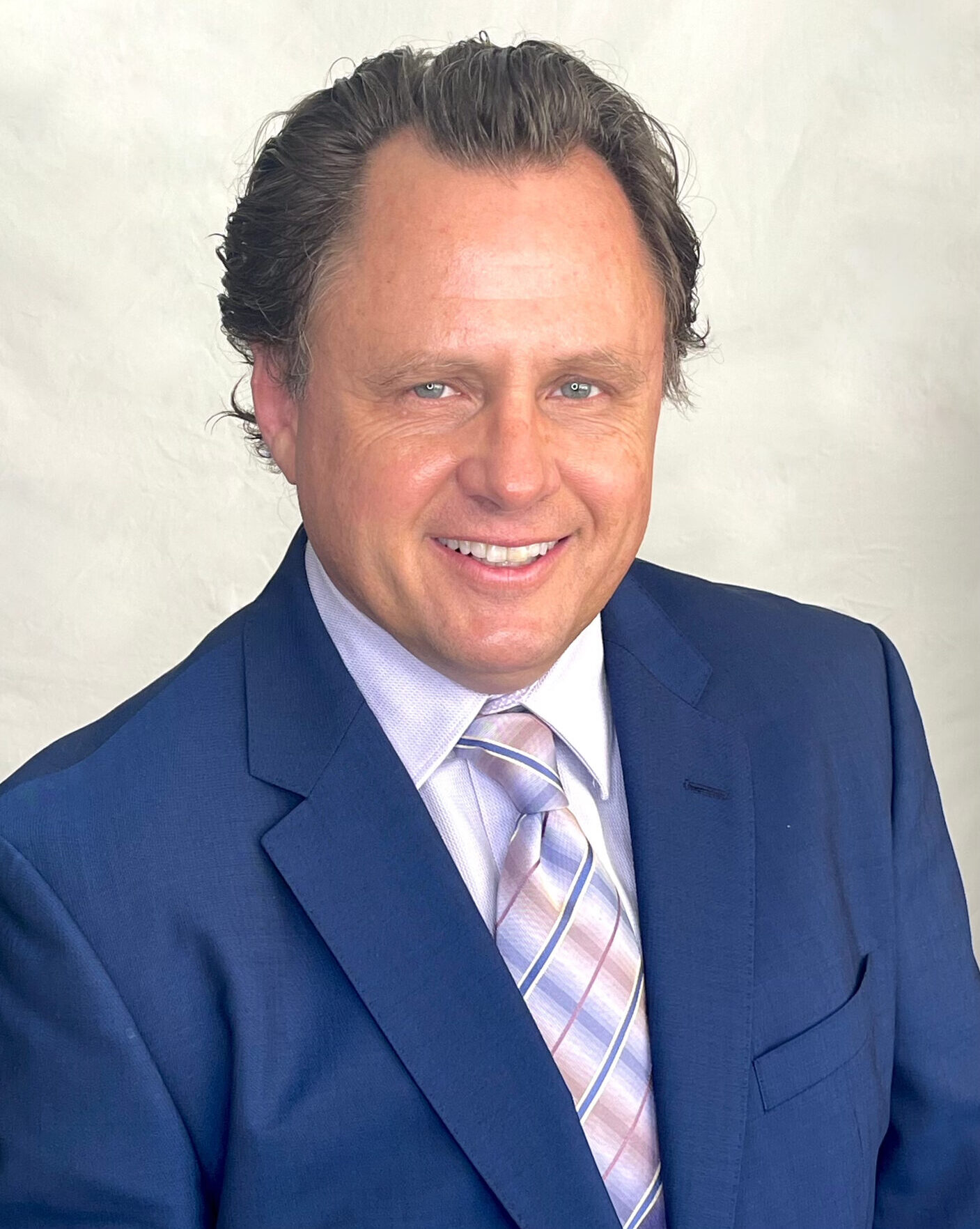
Hello and welcome to Southern California. Today, we are hosting our masterclass show. The subject matter expert, Chris Nace. We are at the renowned Del Coronado on Coronado. I don’t know if it’s a peninsula or an island, but it’s in California. And I’m Rene Perras, a legal news reporter with Coffee with Q. Chris practices in DC. He is in line for leadership. With AAJ, this is their winter convention. And this is our episode of The Legal Professional.
Welcome, Chris.
Christopher Nace | 00:40
Thanks. Happy to be here.
Rene Perras | 00:41
Glad you were able to make it.
Christopher Nace | 00:44
Beautiful San Diego. Why would I miss it?
Rene Perras | 00:46
We’re going to ask you a few questions about yourself, about the practice of law, your passion for justice, and how you work with catastrophic cases and help the injured. We’ll start off with, I know your mother. I knew your late father. They always seem to be on the right side of the issues. I liked that about them, and I respected them for that. – Coming from a family of lawyers, Barry is a past president of AAJ, and you are the current secretary at AAJ. Why did you want to get involved?
Christopher Nace | 01:19
Well, you know, I grew up coming to these conferences. So I think I was 10 years old when I came to my first, then it was ATLA, but now the AAJ convention. It was in Seattle, Washington, and sort of became a summer ritual going to these conventions, but, you know, my dad was really good about pulling me into some of the events.
Like, I didn’t just go and hang out at the arcade or do the tours that a lot of the kids did, and certainly, you know, I did all that stuff. I had a great time and made some great friends. But I always went to one or two of the lunches or the dinners, and I heard the stories not just of the lawyers who were fighting the battles, who were going to the courtroom and getting the results and the verdicts. But of the victims, and I think that’s probably, you know, looking back at it, what resonated the most with me were these people, just normal people, ordinary good people who had their worlds turned upside down in the blink of an eye through nothing they did. To themselves. And hearing their stories and understanding, and what I probably understand better now than I did then, but maybe kind of on a gut level, you know, as lawyers, we fight, and we’re just sort of trained to do that. We’re trained to stand up and fight for people. But even the toughest, you know, plaintiff, the toughest victim, the most hardened, you know, whatever, you know. Military guy, police officer, firefighter, you know, mechanic, whatever it is the toughest guy you can picture sometimes they can’t fight for themselves and they don’t know how to go into a form like a courtroom and It was seeing that as a kid the appreciation that they had for the person who was willing to stand up and fight for them. I think I sort of said that that’s something I want to do.
Rene Perras | 03:19
Your brothers as well, they decided to do the same thing as you.
Christopher Nace | 03:22
They did, and yeah. We never fought at home, though. There were no arguments for lawyers; all plaintiffs were lawyers in the family. Yeah. No, everything was always fine. We always got along just fine.
Rene Perras | 03:34
Today, you’re the current secretary for AAJ. You’re part of the leadership team. What does that mean for you in the next few years? Maybe you could share a little bit about what’s going to happen.
Christopher Nace | 03:48
Sure. So the American Association for Justice is the largest trial bar of plaintiffs’ lawyers across the country. And the association has a lot of moving parts. What I mean by that is we do a lot of education of lawyers. We do advocacy in a lot of different ways, not only being active politically and lobbying, but also creating reports and doing research. Participating in appellate courts through amicus briefs and being involved in things like the Rules Committee, where the federal rules are made, paying attention to organizations like the American Law Institute that puts out things like the Restatement, which really is a hornbook place to look for the state of the law. And AAJ is involved in all of those areas.
So it’s a very complicated organization. And the organization is run by a professional staff on a day-to-day operations level. As far as I’m concerned, the best staff in the world for an organization like ours, they’re excellent, and they’re committed to the issues. In addition to the day-to-day professional staff, we have a board of governors that sets policy for the organization. And the board has an executive committee that is obviously smaller than the full board. But represents all sorts of different components of the organization, whether it’s the caucuses or the state presidents or the membership committee or so on. There are about 24 members of the executive committee. So in the absence of the board being together, the executive committee sets policy and can vote. In addition, there are seven national officers, and the officers going from the first rung of parliamentarian through being president and then serving as immediate past president is still an officer position. The officers are really tasked with a lot of the oversight and are really just being responsible support for the professional team, whether that is fundraising, organizing, or just bouncing ideas and trying to understand how to best represent our members. That’s what the officers do for the organization.
Rene Perras | 06:22
Arguably, probably the largest trial bar organization in the world.
Christopher Nace | 06:28
Definitely.
Rene Perras | 06:30
Being secretary in a couple of years, you should be leading this organization as well. If everything kind of panned out.
Christopher Nace | 06:38
Everything goes right. That’s right. We’ve got to run for election every year. We’ve got to run for the election.
Rene Perras | 06:40
So if everything pans out, we might be having another. You know, meeting down the road. Right. How many active members and non-active members are part of AAJ? Do you have an idea?
Christopher Nace | 06:55
Yeah. I mean, I think there are over 20,000 members of the organization. You know, I think it. By active, you know, there are a lot of different ways to be active, right? We have when we go to a convention like we’re at right now, we have several thousand who come in and participate. Our annual convention, which in 2026 will be in Chicago, usually gets, you know, 3,000 to 3,500 people who attend it. But there’s also,I don’t know how many education seminars we put on every year, webinars. We have colleges, which are three or four-day programs that people go to. We have incredibly active listservs where people exchange information, share experts, or ideas on how to approach a particular issue in a case.
So there are all sorts of different ways to be active. We have litigation groups. For instance, when there’s a product out there that’s kind of, you know, something everybody’s taking cases or thinking about, whether it’s Roundup is in the news lately, or Uber cases related to sexual assault. Lawyers sort of form groups around those issues, and they’re very good about working together and sharing ideas and experts and those sorts of things. So there are a lot of different ways to be active. But I would venture to say that, you know, pretty much everybody’s an active member who is a member of the association.
Rene Perras | 08:21
Okay. What drew you to wanting to specialize in catastrophic cases? And was there a pivotal moment that said, you know, that’s really what I want to do. That’s was there a case or something that happened?
Christopher Nace | 08:34
Well, going back to being a kid and seeing the impact on people. But there are really two instances that I kind of remember. One is a younger kid, and then one is a law school student. As a kid, I remember my dad representing a gentleman who had been the victim of medical negligence and lost his legs as a result, and after my dad’s closing argument in the case, before there was even a verdict, the guy came up and he was a big guy and he kind of grabbed my dad by the lapels and said, now I understand what happened to me, and it was before he even knew that he was going to win the case or what was going to happen. And I just remember kind of seeing, I don’t know why I was there at the courthouse that day, but I was. And seeing that and seeing him, you know, as a person understanding what the mistake was, what caused him to have this life-changing moment. That was one.
And then another one was that I spent a summer in law school working at my dad’s firm, now my firm. And one of the first things we did was we had a settlement hearing, the case had been settled. And it was really to wrap up some kind of strange after-settlement facts that had to get wrapped up. But again, the client came over to me and sort of just said, you know, I don’t know what I’d be doing if your dad hadn’t taken on my case. I don’t know where I’d be right now. So seeing those, the way you can make a difference, you know, you think about, can you make a difference in the world? That’s a pretty heavy, big thing to try and do. But certainly. I saw firsthand how you can make a difference in somebody’s life, in an individual’s life, through the civil justice system.
Rene Perras | 10:27
And usually, the deck is stacked against the little guy. You have big insurance companies. You have large corporate firms that are on the other side, and you need to understand the complexities. Sure, work in these catastrophic cases that are very complex. I have a lot of technical issues. How do you navigate communicating that to jurors when you’re in a courtroom?
Christopher Nace | 10:56
Yeah. Well, the first thing is you have to understand it yourself. You know, preparation is really key. So, you know, you may be involved in a case involving an anesthesia incident, and by the time you get into that case, you probably know everything about anesthesia that a board-certified anesthesiologist does. Now, that might be a little bit of an exaggeration, but try to get there. You certainly try to get there because, as you learn the subject matter yourself, it becomes easier to teach it. That’s what you have to do as a trial lawyer. You have to teach the jurors. You teach them about the facts. You teach them about the underlying subject matter. As a trial lawyer, when you’re in the courtroom, you know, thinking about how a case goes, you get your opening statement where you can sort of lay out what’s going to happen at trial, and then you get your closing argument where you argue everything that happened in trial. But in between, you have to communicate either through your witnesses or through your cross-examination. And it’s putting yourself in the shoes of that juror who probably doesn’t have the background in the medicine or in the trucking regulations or in the whatever safety rules exist in an industry, and it’s sitting there and just remembering that as you ask your questions, whether it’s your expert or you’re cross-examining the other expert, what does the juror want to know next? What do they… What are they sitting there saying? Okay, but what about? And if you can continue to anticipate what they want to know, what’s the information that they need in order to feel that they’re making the right decision, that’s what works best. So it’s educating by trying to anticipate what information they want and need to understand the subject matter.
Rene Perras | 12:56
So… to your lawyer. You’re a teacher. You’re an educator.
Christopher Nace | 13:01
Yeah, that’s right. Okay, that’s right.
Rene Perras | 13:03
The firm has had a lot of victories. We see a lot of attorneys who advertise. From my little background of understanding this arena, the advertising attorney is not usually the trial lawyer. Sometimes they are, sometimes, but a lot of times they’re the ones getting the cases and bringing them to you. So, I guess. What would you like people to understand, or why they should trust you versus, let’s say, you know an advertising attorney?
Christopher Nace | 13:38
Yeah, well, I think first of all, I would say this if you are a victim of some sort of catastrophic injury and you’re looking for a lawyer, this is a very personal decision, and you should interview or meet with whoever you want to. But at the end of the day, you’ve got to go with who you feel comfortable with, who you kind of connect with, because this is a very personal and in some ways intimate experience that you’re going to go through as a plaintiff in a personal injury, catastrophic injury case.
You know, if you connect with an advertising lawyer, so be it. But, you know, you want to make sure you understand that what’s more important than the advertising is the experience, right? There are incredibly experienced trial lawyers who advertise, and there are incredibly experienced trial lawyers who don’t. But you want to understand their experience in the courtroom. You said that you’re generally kind of out, you know, outlawyered, out-resourced when you’re the plaintiff. But one of the equalizing factors we have is being able to eventually get into a trial in front of a jury.
So you want your lawyer to be somebody who’s not afraid to take that step, who knows from the start of the case I’m planning to try this case to a jury, and if your lawyer is experienced in that and committed to it, that’s going to get you the best result at the end of the day, even if you don’t go to trial. If you do get to a point where you can resolve it short of trial, and oftentimes that is the best result, but your lawyer has to always be anticipating that from the start, I’m going to try
this case. And that’s how you’re going to get the best results.
Rene Perras | 15:25
So, look for an attorney who, from the get-go, is gonna take this case to trial, probably means that they have a good attorney.
Christopher Nace | 15:33
That’s right. Yeah.
Rene Perras | 15:34
Okay, well, we got one last question, if you could have any platform to share your expertise, whether it’s speaking at conferences, appearing on major media, or hosting your own content. What message would you want to get out?
Christopher Nace | 15:51
That is the civil justice system and trial by jury. Is the number one way to level the playing field right now in particular. There are a lot of very powerful businesses, institutions, organizations, and even individuals that we see now. There’s a lot of power and wealth being consolidated. But, the jury trial in our civil justice system still means that even those big, powerful organizations have to answer to six or eight or 10 people who are citizens of the country and come together for the purpose of hearing the facts of a case.
So sometimes people hear about these big verdicts in cases, and they think, wow, that’s kind of crazy. Well, what I would say to that is, unless you’ve heard the facts and sat through the weeks of testimony and evidence that those jurors have, I wouldn’t be so quick to judge how crazy or outrageous a verdict is. There are a lot of things that happen in a courtroom. More than ever right now, I really believe that the civil juries and the civil justice system are the best way to keep the big, powerful corporations, organizations, insurance companies, whatever it might be, to hold them accountable.
Rene Perras | 17:20
Well, I came prepared today.
Christopher Nace | 17:21
I see.
Rene Perras | 17:22
I’m wearing my seven. Yeah. Seventh Amendment, which makes all of what you’re describing possible. So without that, we can’t hold. People accountable. We would have chaos, maybe anarchy. That’s what makes this, the system in America, great. What makes America Great is the Seventh Amendment. I think what you’re describing is exactly that. I’m glad you’re on the show today. Sharing your insight on complex catastrophic cases and what people should be aware of. I hope you come again.
Christopher Nace | 17:58
Yeah, thank you for having me. It was fun. I enjoyed it.
Rene Perras | 18:00
Yeah, it was easy. We’ve created this platform as an educational platform. To help inform people about the Seventh Amendment, as an example. I’m Rene Parras. Legal news reporter for Coffee with Q. Tune into our show next time, when we’ll have another subject matter expert. Another legal professional who will share his insights on how we can make America better.
Christopher Nace | 18:25
Thank you.